
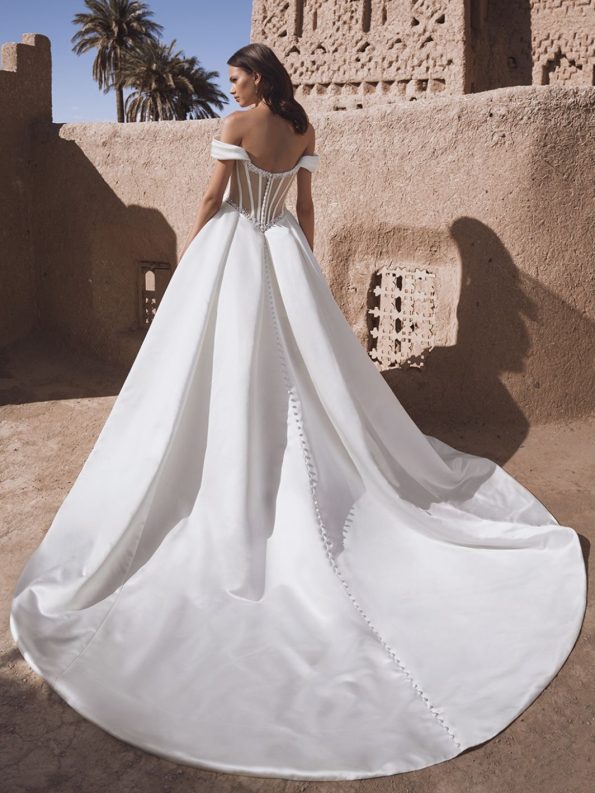
Quick Summary
This guide explains the three main ways to layer a wedding dress: capes, overskirts, and detachable trains. You will learn how each option works, what fabrics suit each style, when to decide on layers during the planning process, and how to choose the right option for your venue, body, and comfort. If you want two bridal looks without buying two dresses, this post is for you.
Many brides want their wedding dress to feel different throughout the day. Maybe you want something soft and dramatic for the ceremony, but lighter and easier for the reception. Maybe you love the idea of two bridal looks without buying two completely different dresses. That is exactly why bridal layering has become so popular.
Learning how to layer a wedding dress can completely change the way your gown looks and feels. From flowing capes to dramatic overskirts and elegant detachable trains, these details help brides personalise their style in a beautiful and flexible way
Did You Know?

According to The Knot's annual Real Weddings Study, the share of brides planning at least one look transformation between their ceremony and reception has grown steadily since 2020, making detachable bridal layers one of the fastest-growing segments in bridal accessories worldwide.
How Brides Are Creating Multiple Wedding Looks with One Dress
Layering a wedding dress means adding removable pieces that change the shape, movement, or overall mood of the gown throughout the wedding day. Instead of buying two separate dresses, many brides now use pieces like a wedding dress cape, bridal overskirt, or detachable train to create one look for the ceremony and another for the reception.
These layers are designed to transform the dress without permanently changing it. A sleek gown can suddenly feel soft and dramatic with a cape, while an overskirt can completely change the silhouette for a more grand bridal moment.
The best part is that layering can feel subtle or dramatic depending on your style. Once brides try these pieces in person, they often realize how much they change the overall look and feeling of the dress in a very natural way.
See How Your Dress Transforms in Person
Try capes and overskirts on your actual wedding gown. Visit our bridal boutique in Walnut Creek and let us show you how the right layer changes everything.
What Does It Actually Mean to Layer a Wedding Dress?
Layering a wedding dress simply means adding removable elements that change the overall appearance of the gown.
This can include:
- A soft cape flowing behind the dress
- A removable overskirt that adds volume
- A detachable train for extra ceremony drama
These are different from permanent alterations. Alterations change the dress itself, while layering pieces can be removed later during the wedding day.
This is why many brides love bridal layering ideas. You can create multiple looks while still wearing the same base gown.
Bridal Capes Add Soft Drama Without Feeling Too Heavy
A wedding dress cape is one of the most elegant layering choices right now. It creates movement and softness without covering too much of the gown.
Capes can attach near the shoulders, neckline, or waist depending on the design. Some are long and dramatic, while others are short and delicate.
Popular fabrics include:
- Tulle
- Chiffon
- Lace
- Organza
The fabric changes the mood completely. A soft tulle cape feels romantic and airy, while structured crepe creates a cleaner and more modern look.
Pro Tip:

If your gown already has back detail such as buttons, an open back, or lace panels, choose a cape that attaches at the shoulders rather than the waist so the back of the dress remains visible. Browse our backless wedding dress collection to see examples of gowns where a shoulder-attached cape would frame rather than cover the design.
Why Brides Love Wedding Dress Capes
Many brides love capes because they add drama in a very effortless way.
A cape can:
- Create movement during the ceremony
- Add coverage without hiding the dress
- Replace a traditional veil
- Make a minimalist gown feel more styled
This works especially well for sleek dresses made from satin or crepe. A simpler gown gives the cape room to stand out naturally.
“If you are drawn to clean and minimal styles, our simple wedding dress collection showcases exactly the kind of base gowns that pair beautifully with a statement cape.“
For Bay Area weddings, capes can also feel practical. Outdoor ceremonies in places like Marin or coastal Northern California venues often have cooler evening weather, and a cape adds a soft extra layer without feeling bulky.
Questions to Ask Before Adding a Cape
Before choosing a cape, it helps to ask a few important questions during fittings.
For example:
- Will the cape pull on the neckline of the dress?
- Can it be removed easily after the ceremony?
- Does the fabric match naturally with the gown?
These small details make a big difference once the full look comes together.
Not Sure Which Train/Layer Is Right for You?
Bring your ideas, your Pinterest board, or just your questions. Our team will help you figure out exactly what works for your gown, your venue, and your day.
Overskirts Can Completely Transform the Shape of Your Dress
A bridal overskirt is one of the most dramatic ways to layer a gown.
An overskirt is a removable skirt worn over the base dress. It usually attaches at the waist or hips and changes the entire silhouette.
This is how brides create the feeling of two dresses in one.
For example:
- A fitted gown can become a ballgown for the ceremony
- A minimalist dress can suddenly feel romantic and layered
- A sleek silhouette can become more dramatic for photos
Once the overskirt comes off, the base dress feels lighter and easier for dancing.
Did You Know?

Bridal overskirts have roots in Victorian-era fashion, when layered skirts and bustles were a standard part of formal dress construction. The modern detachable version emerged in ready-to-wear bridal design during the 1990s and has since evolved into one of the most-requested customisation options at boutiques across the United States.
Why Brides Love Bridal Overskirts
Overskirts work beautifully for brides who love contrast.
You might want:
- A dramatic ceremony entrance
- A simpler reception look later
- More volume without wearing a heavy gown all night
This is also a popular option for destination weddings. Some brides travel in the lighter base dress and add the overskirt only for the ceremony itself.
Overskirts also photograph beautifully in outdoor venues. The movement creates softness in photos, especially during sunset ceremonies or garden weddings.
Things Brides Often Forget About Overskirts
Overskirts are beautiful, but they do change how the dress moves.
Here are a few things worth considering:
- Larger overskirts need more walking space
- Outdoor venues may affect lightweight fabrics
- Waist placement changes how proportions look
The positioning matters more than many brides expect. A properly fitted overskirt should feel intentional, not like an extra piece added later.
Detachable Trains Create the Most Seamless Transformation
A detachable train is one of the most practical and popular layering options.
The train attaches to the back of the gown and removes later before the reception. This creates a dramatic ceremony moment without carrying extra fabric all evening.
Many brides love detachable trains because the transition feels smooth and effortless.
You still get:
- A grand bridal entrance
- Long ceremony photos
- Easier movement later during dancing
This balance is exactly why detachable trains continue to grow in popularity.
Different Train Lengths Create Different Moods
The size of the train changes the overall feeling of the gown.
Train Style | Overall Feel | Best For |
|---|---|---|
Light and effortless | Outdoor ceremonies and dancing | |
Elegant but manageable | Classic weddings | |
Traditional bridal drama | Formal ceremonies | |
Grand and dramatic | Luxury venues and large entrances |
Some brides immediately fall in love with cathedral trains, while others prefer something easier to move in. Neither choice is more correct. It simply depends on the atmosphere you want.
How Detachable Trains Stay Attached
Many brides worry that detachable trains will feel unstable, but they are usually designed very securely.
Common attachment methods include:
- Hidden hooks
- Snap buttons
- Soft ties or sashes
Your seamstress or stylist will help decide what works best based on the structure of your dress.
Pro Tip: Ask your bridal consultant to demonstrate removing the train during your fitting appointment rather than waiting until the wedding day. A smooth removal typically takes under two minutes once practiced, but the first attempt without rehearsing can take much longer and cause unnecessary stress.How to Choose the Right Layer Without Overcomplicating It
The easiest way to choose the right layer is to think about your actual wedding day.
Start with your venue.
A cathedral train may feel perfect in a ballroom, but less practical on grass or sand. A soft cape may move beautifully during an outdoor ceremony.
Next, think about comfort and movement.
Ask yourself:
- Will you dance a lot?
- Will you walk long distances?
- Do you want a quick reception transformation?
Also think about the structure of your dress. Heavy beading or very fitted bodices may not support certain layers comfortably.
Budget matters too. Some layering pieces require extra alteration work, so it helps to discuss this early during fittings.
When Should You Decide on Bridal Layers?
It is best to decide on layering before major alterations begin.
This is important because:
- hems may change
- weight distribution matters
- fittings need to account for the added layers
If you buy your layers separately, bring them to your fittings early.
The Best Bridal Layers Feel Natural to You
The most beautiful layered bridal looks never feel forced. They feel like a natural extension of the dress itself.
Some brides want dramatic transformation. Others only want a soft detail that changes the mood slightly. Both approaches are beautiful.
The goal is not to add more just for the sake of it. The goal is to create a wedding look that feels personal, comfortable, and true to your style.
At Flares Bridal in Walnut Creek, brides can explore wedding dress accessories, detachable trains, capes, and layered styling ideas in a calm and supportive setting. With personalised guidance and carefully curated gowns, it becomes much easier to create a bridal look that feels effortless from the ceremony to the last dance.
Frequently Asked Questions
- Can I really create two different bridal looks with one dress?
Yes, absolutely. That is one of the biggest reasons brides explore how to layer a wedding dress in the first place. Pieces like overskirts or detachable trains can completely change the mood of the gown between the ceremony and reception. Many brides love this because it gives variety without needing a second dress. It also makes the wedding day feel more personal and flexible without adding the stress of changing into another outfit.
- Will adding layers make my wedding dress feel too heavy?
Not always. It depends on the fabric and the type of layer you choose. Lightweight tulle capes or soft detachable trains usually feel much easier to wear than brides expect. During fittings, your stylist or seamstress can help you understand how the extra layers affect movement and comfort. The goal is to add drama and beauty without making the gown difficult to enjoy throughout the day.
- Can any wedding dress have a cape added to it?
Most structured gowns can support a wedding dress cape, but the neckline and construction matter a lot. Strapless gowns or heavily beaded dresses may need additional support before a cape can be attached properly. This is why it is important to speak with an experienced bridal seamstress before purchasing a separate cape. Small structural details can make a big difference in how natural and secure the final look feels.
- Are wedding dress capes replacing veils now?
For many brides, yes. Some brides still love the tradition of a veil, while others prefer the softer and more modern feeling of a cape. A cape can create movement and coverage while still showing off the gown clearly. It also photographs beautifully, especially during outdoor ceremonies. The choice usually comes down to personal style rather than trends alone.
- What is the main purpose of a bridal overskirt?
A bridal overskirt changes the shape and mood of the gown without permanently altering the base dress. Brides often use it to create a dramatic ceremony silhouette and then remove it later for a lighter reception look. This is especially popular with fitted gowns because the overskirt adds volume and softness temporarily. Many brides love the feeling of having two bridal looks in one dress.
- Do overskirts work well for outdoor weddings?
Yes, they can work beautifully outdoors when the right fabric is chosen. Lightweight overskirts often move very naturally during garden or coastal ceremonies. Larger and heavier overskirts may feel harder to manage on uneven ground or windy venues. During fittings, it helps to think about walking, movement, and dancing. The best overskirts balance comfort with visual impact.
- Is a detachable train the same as a bustle?
No, they are different things. A detachable train is a completely separate piece that can be removed entirely after the ceremony. A bustle, on the other hand, folds or clips the original train upward so it stays attached to the gown. Both options make movement easier during the reception, but detachable trains usually create a cleaner and smoother silhouette afterward.
- How do detachable trains stay attached during the ceremony?
Most detachable trains are secured using hidden hooks, snaps, or strong fasteners built into the gown. When attached correctly, they usually feel much more stable than brides expect. Your seamstress will recommend the best attachment method based on the weight and structure of the dress. The goal is to keep the train secure while making removal quick and easy later in the evening.
- How much do bridal layers usually cost?
The price depends on the material, designer, and level of customisation. Separate capes or overskirts can range anywhere from around 100 dollars to 600 dollars or more. Custom pieces and extra alteration work may increase the total cost further. Some dresses already include detachable elements, which can sometimes cost less than adding them later.
- When should I decide on wedding dress accessories and layers?
It is best to decide on wedding dress accessories and layers before major alterations begin. Pieces like capes, overskirts, or detachable trains can affect the hem, fit, and movement of the gown. Bringing these items to your fittings early gives your seamstress enough time to adjust everything properly. Waiting until the final fitting can make the process more stressful than it needs to be.